Understanding Chronic Kidney Disease: A Comprehensive Guide

Chronic Kidney Disease (CKD) is a serious health condition that affects millions of people worldwide. It often goes unnoticed until it reaches advanced stages, making awareness and understanding crucial for early detection and management. This guide aims to provide a thorough overview of CKD, including its causes, symptoms, stages, and treatment options.
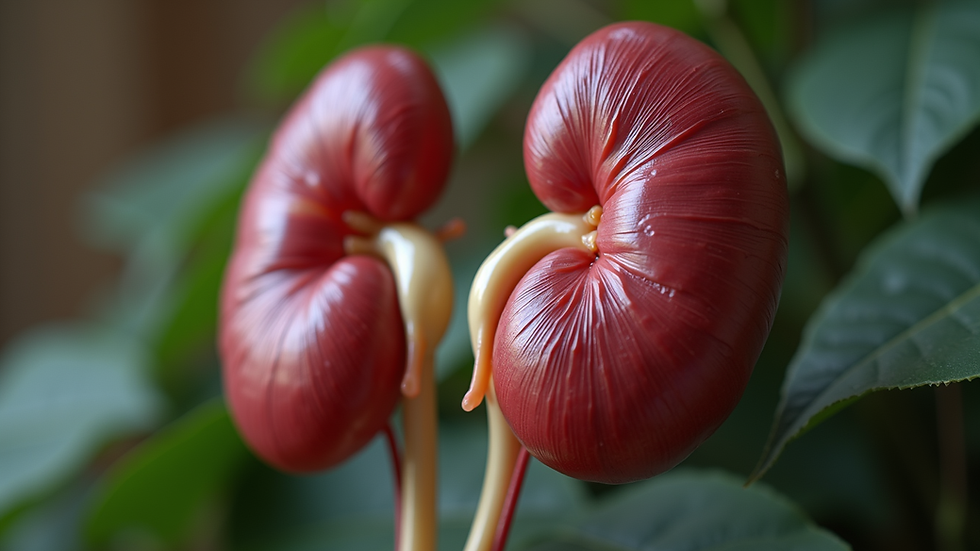
What is Chronic Kidney Disease?
Chronic Kidney Disease is a progressive condition characterized by a gradual loss of kidney function over time. The kidneys play a vital role in filtering waste products and excess fluids from the blood, regulating blood pressure, and maintaining electrolyte balance. When kidney function declines, waste products can accumulate in the body, leading to various health complications.
Key Facts About CKD
Prevalence: CKD affects approximately 10% of the global population.
Risk Factors: Common risk factors include diabetes, hypertension, and a family history of kidney disease.
Symptoms: Many individuals may not experience symptoms until the disease is advanced, making regular check-ups essential.
Causes of Chronic Kidney Disease
Understanding the underlying causes of CKD is crucial for prevention and management. The primary causes include:
1. Diabetes
Diabetes is the leading cause of CKD. High blood sugar levels can damage the blood vessels in the kidneys, impairing their ability to filter waste effectively.
2. Hypertension
High blood pressure can cause damage to the kidneys over time. It is essential to manage blood pressure to reduce the risk of CKD.
3. Glomerulonephritis
This condition involves inflammation of the kidney's filtering units (glomeruli), which can lead to kidney damage.
4. Polycystic Kidney Disease
This genetic disorder causes numerous cysts to form in the kidneys, leading to kidney enlargement and dysfunction.
5. Other Factors
Other contributing factors include prolonged use of certain medications (like NSAIDs), urinary tract obstructions, and autoimmune diseases.
Symptoms of Chronic Kidney Disease
CKD often develops slowly, and symptoms may not appear until the disease is advanced. Common symptoms include:
Fatigue and weakness
Swelling in the legs, ankles, or feet
Changes in urination patterns (more or less frequent)
Nausea and vomiting
Persistent itching
Shortness of breath
Recognizing Early Signs
Early detection is key to managing CKD effectively. Regular check-ups and blood tests can help identify kidney function decline before symptoms become severe.
Stages of Chronic Kidney Disease
CKD is classified into five stages based on the level of kidney function, measured by the Glomerular Filtration Rate (GFR).
Stage 1: Mild Kidney Damage
GFR: 90 or above
Symptoms: Usually none; kidney function is normal.
Stage 2: Mild Kidney Damage with Decreased GFR
GFR: 60-89
Symptoms: Often asymptomatic; some may experience mild symptoms.
Stage 3: Moderate Kidney Damage
GFR: 30-59
Symptoms: Fatigue, swelling, and changes in urination may begin to appear.
Stage 4: Severe Kidney Damage
GFR: 15-29
Symptoms: More pronounced symptoms, including nausea and difficulty concentrating.
Stage 5: End-Stage Kidney Disease
GFR: Less than 15
Symptoms: Severe symptoms; dialysis or kidney transplant is often required.
Diagnosis of Chronic Kidney Disease
Diagnosing CKD involves several tests to assess kidney function and identify underlying causes. Common diagnostic methods include:
1. Blood Tests
Serum Creatinine: Measures the level of creatinine in the blood, an indicator of kidney function.
GFR Calculation: Estimates kidney function based on serum creatinine levels, age, gender, and race.
2. Urine Tests
Urinalysis: Checks for the presence of protein, blood, or other abnormalities in the urine.
24-Hour Urine Collection: Measures the total amount of waste products excreted in urine over a day.
3. Imaging Tests
Ultrasound: Provides images of the kidneys to check for structural abnormalities.
CT Scan or MRI: May be used for a more detailed view of kidney structure.
Treatment Options for Chronic Kidney Disease
While there is no cure for CKD, various treatment options can help manage the condition and slow its progression.
1. Lifestyle Changes
Making healthy lifestyle choices can significantly impact kidney health. Recommended changes include:
Diet: Adopt a kidney-friendly diet low in sodium, potassium, and phosphorus. Focus on fruits, vegetables, whole grains, and lean proteins.
Exercise: Regular physical activity can help manage weight and blood pressure.
Hydration: Stay adequately hydrated, but consult a doctor about fluid intake if kidney function is severely impaired.
2. Medications
Depending on the underlying cause and symptoms, medications may be prescribed to:
Control blood pressure
Manage blood sugar levels in diabetes
Reduce cholesterol levels
Treat anemia
3. Dialysis
For individuals with advanced CKD (Stage 5), dialysis may be necessary to perform the kidneys' filtering functions. There are two main types:
Hemodialysis: Blood is filtered through a machine.
Peritoneal Dialysis: The lining of the abdomen is used to filter blood.
4. Kidney Transplant
A kidney transplant may be an option for eligible patients with end-stage kidney disease. This involves replacing the diseased kidney with a healthy one from a donor.
Living with Chronic Kidney Disease
Managing CKD requires ongoing care and lifestyle adjustments. Here are some tips for living well with CKD:
1. Regular Monitoring
Frequent check-ups with a healthcare provider are essential to monitor kidney function and adjust treatment as needed.
2. Support Systems
Joining support groups or connecting with others facing similar challenges can provide emotional support and practical advice.
3. Education
Staying informed about CKD and its management can empower patients to make better health decisions.
4. Mental Health
Addressing mental health is crucial. Consider speaking with a counselor or therapist if feelings of anxiety or depression arise.
Conclusion
Chronic Kidney Disease is a significant health issue that requires awareness, early detection, and proactive management. By understanding the causes, symptoms, and treatment options, individuals can take charge of their kidney health. Regular check-ups, lifestyle changes, and adherence to treatment plans can make a substantial difference in the quality of life for those affected by CKD.
Take the first step towards better kidney health today by scheduling a check-up and discussing any concerns with your healthcare provider.


Comments